
Carbohydrate Digestion Pathways Explained
The physiological journey of carbohydrates from intake through utilization and storage.
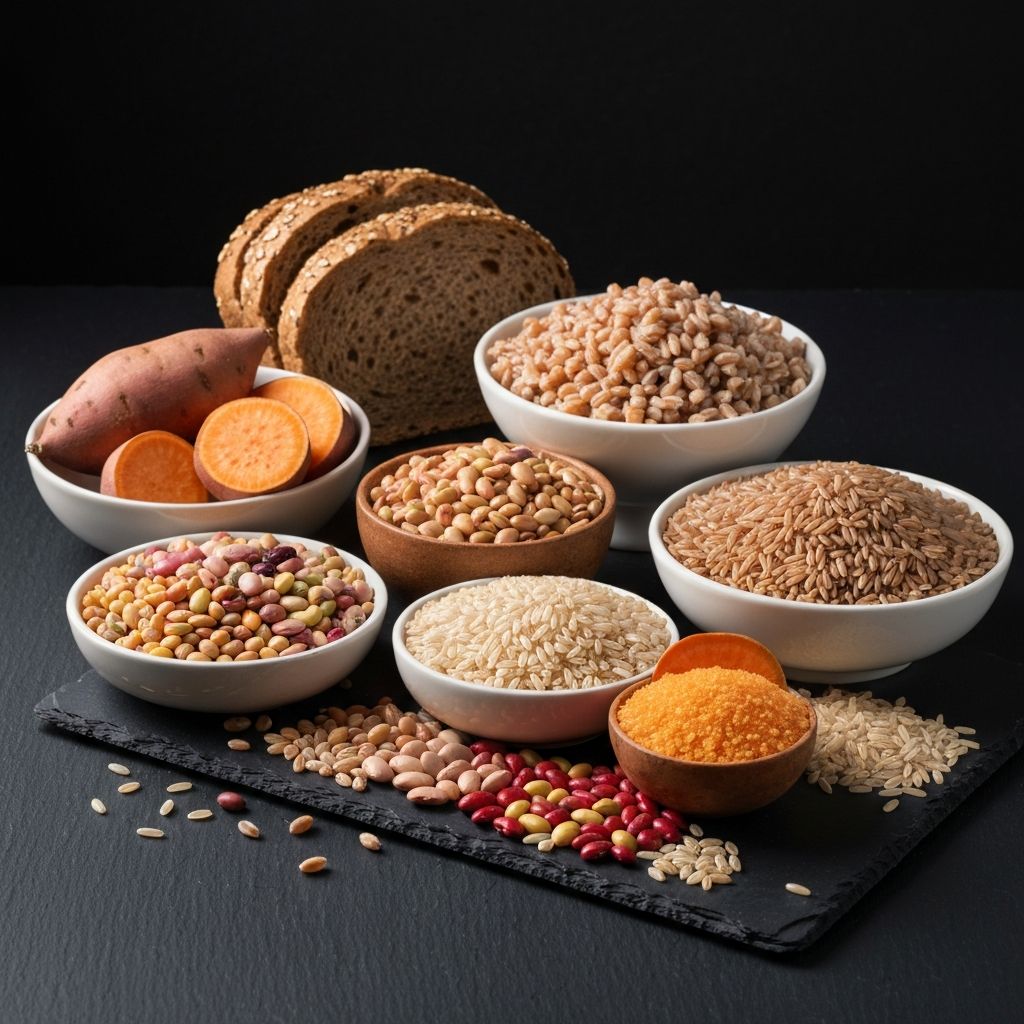
Carbohydrate Structure
Dietary carbohydrates exist in multiple forms: monosaccharides (single sugar units like glucose and fructose), disaccharides (pairs of sugars like sucrose and lactose), and polysaccharides (long chains of glucose units like starch and fibre). The body breaks down complex carbohydrates into glucose for energy.
Digestion Begins in the Mouth
Salivary amylase, an enzyme in saliva, begins breaking down starch into smaller sugar molecules in the mouth. This process continues briefly in the stomach before stomach acid inactivates the enzyme. This initial breakdown represents the first step in converting complex carbohydrates into absorbable forms.
Small Intestine Processing
The majority of carbohydrate digestion occurs in the small intestine, where pancreatic amylase continues breaking down starch. Additional enzymes on the intestinal lining—maltase, sucrase, and lactase—break disaccharides and remaining oligosaccharides into monosaccharides.
Glucose and other monosaccharides are then absorbed across the intestinal epithelium into the bloodstream. Fructose follows a different absorption pathway, which can influence how different carbohydrate sources affect blood glucose.
Blood Glucose Regulation
As glucose enters the bloodstream, blood glucose concentration rises. The pancreas responds by releasing insulin, which facilitates glucose uptake into cells. Insulin allows muscle and adipose tissue to take up glucose for immediate energy use or storage as glycogen and fat.
Glycogen Storage
Muscle and liver cells store glucose as glycogen for relatively short-term energy availability. Liver glycogen helps maintain stable blood glucose between meals. Muscle glycogen provides readily available energy for muscle contraction during activity. The body's total glycogen storage capacity is limited.
Fibre and Colonic Fermentation
Dietary fibre—non-digestible carbohydrates including cellulose, hemicellulose, and pectin—cannot be broken down by human digestive enzymes. Instead, fibre reaches the colon, where the microbiota ferment it, producing short-chain fatty acids (butyrate, propionate, acetate).
These short-chain fatty acids nourish the intestinal lining, influence energy metabolism, and affect systemic physiology. This fibre fermentation represents an important component of how carbohydrate intake affects overall physiological outcomes.
Individual Variation in Carbohydrate Response
Blood glucose responses to carbohydrate intake vary among individuals based on factors including insulin sensitivity, physical activity level, concurrent nutrient intake, and individual physiology. The glycemic index and glycemic load describe these responses but represent averages—individual responses can differ.
Important Context
This article describes physiological mechanisms of carbohydrate processing. Carbohydrates vary in nutrient density, fibre content, and their effects on blood glucose. Different carbohydrate sources have distinct roles in overall nutritional patterns. Individual circumstances, activity levels, and metabolic characteristics influence how carbohydrate intake affects individual physiology.
Continue Exploring
Related articles that expand on these concepts: